1194
Art of Glass
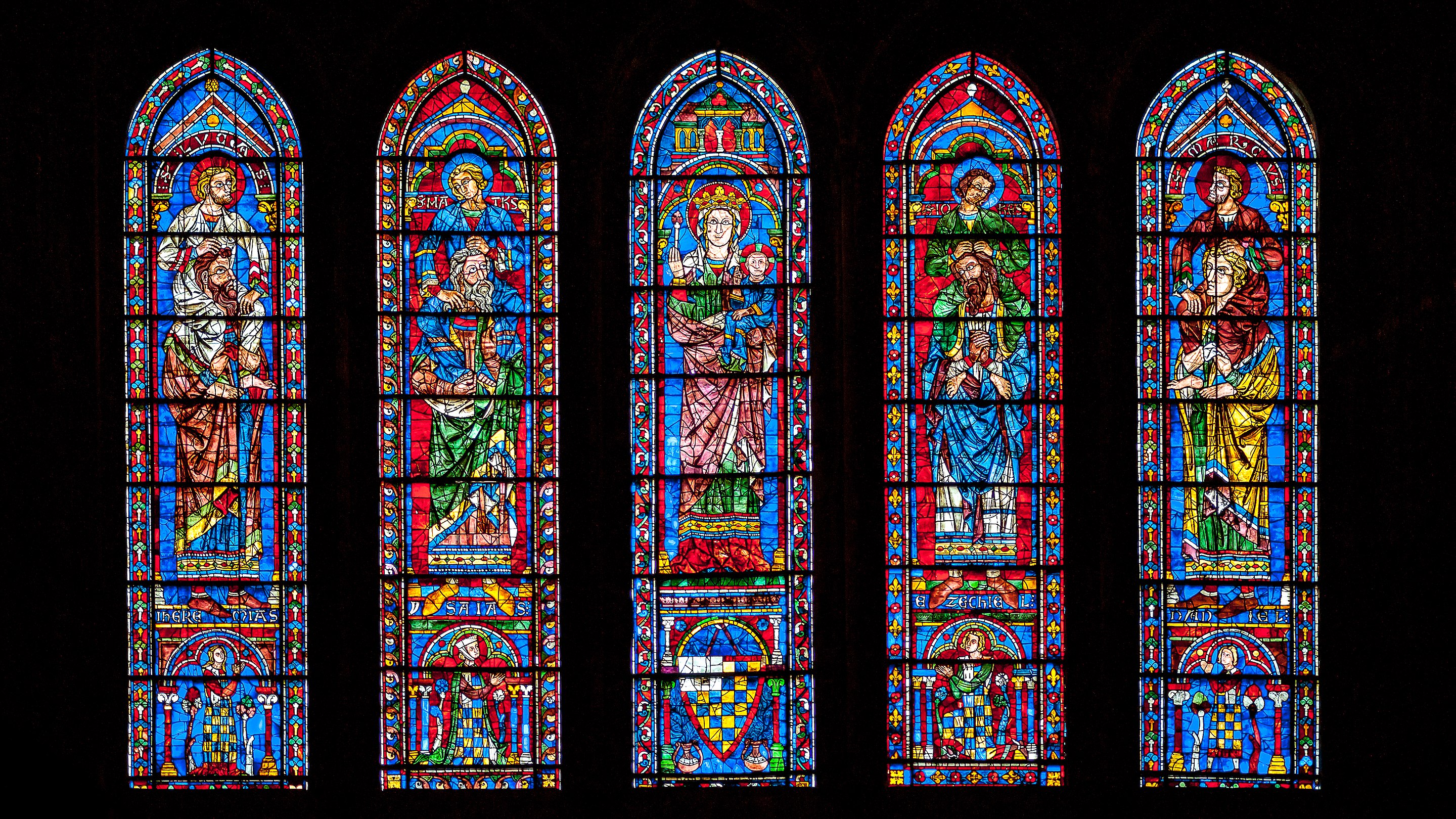
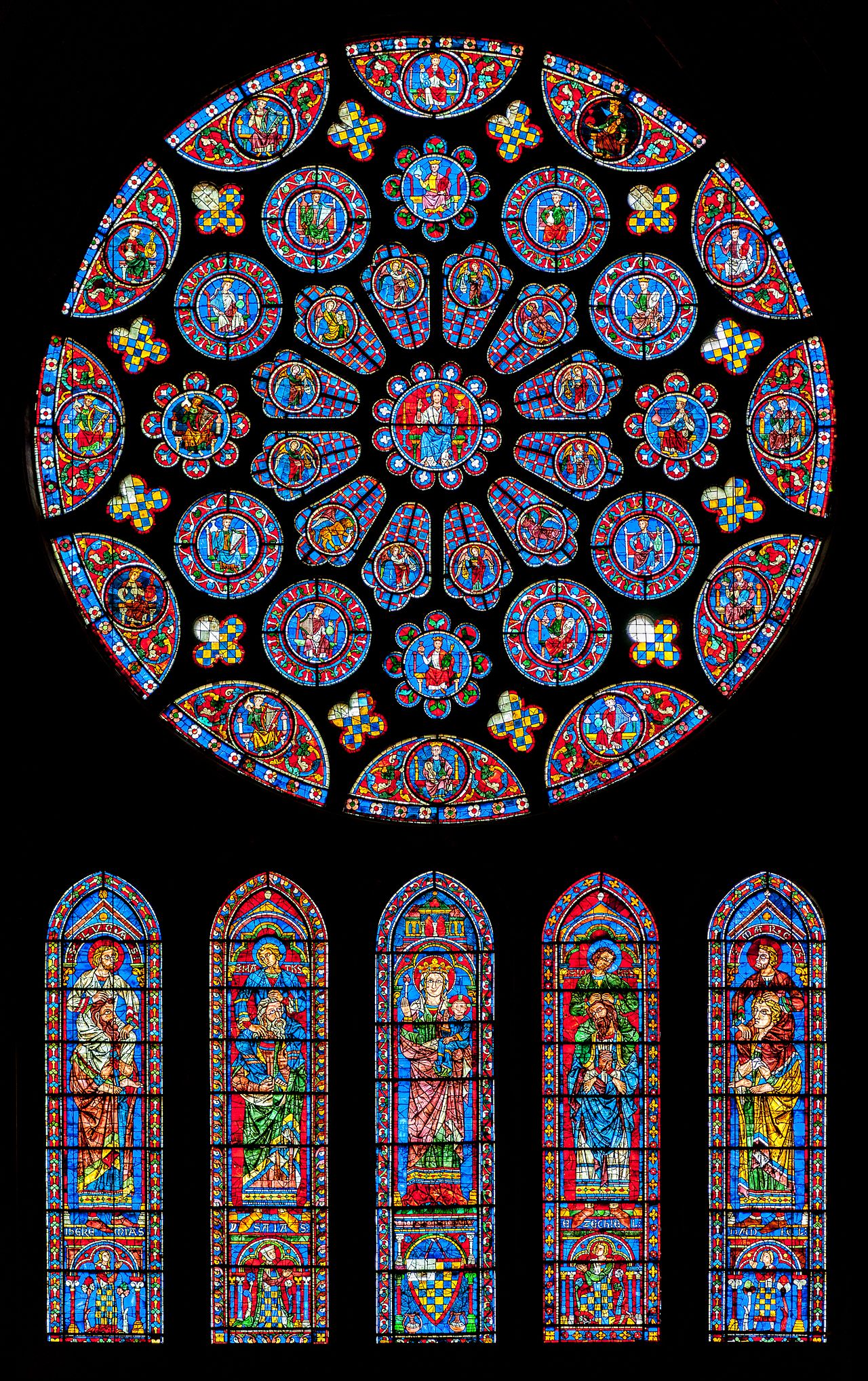
Stained glass became one of Gothic cathedrals' most transformative features during the mid-12th
century, fundamentally changing how people learned about religion. These illuminated windows served as
visual biblical sermons that may have impacted congregations even more powerfully than priests' spoken
words.
The creation process began with artisans drawing life-sized cartoons as blueprints. Glass was
produced
by heating sand and potash to nearly 3000 degrees. While molten, metallic oxides were added for
color—copper produced green or blue-green, cobalt created deep blue, and gold yielded wine-red or
violet. The colored glass was blown and flattened into sheets.
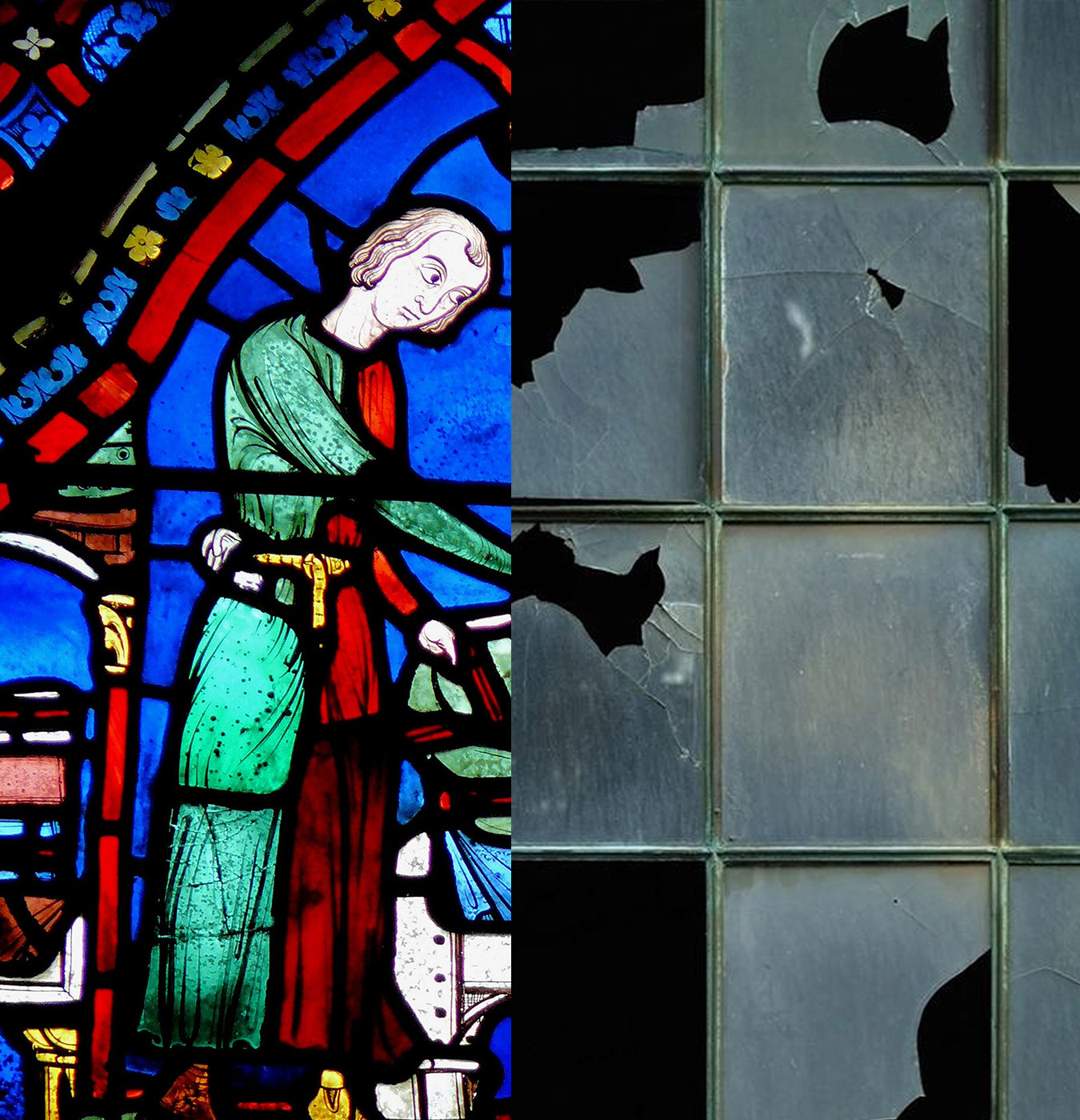
Once cooled, pieces were laid on the cartoon and cracked with hot irons into rough shapes, then
refined
through grozing—carefully chipping away excess glass until achieving the precise shape needed. Artists
sometimes painted details using a dark mixture of iron filings and ground glass suspended in wine or
urine to block light and define figures' features.
By the 14th century, silver stain paint emerged, producing yellow tones from pale lemon to deep
orange
depending on thickness and firing duration. Finished panels were fitted into H-shaped lead strips
called
cames, which prevented colors from blending when viewed from afar. After soldering and waterproofing
with putty, panels were secured in iron armatures to create the completed window.
–Chartres Cathedral, France